As core power equipment in industries such as chemicals, metallurgy and mining, the operational condition of the motor bearings in high-pressure presses directly determines the reliability and production efficiency of the entire machine. Recently, the industry has developed standardised operational guidelines covering the technical procedures and key control points for replacing motor bearings in high-pressure presses, thereby ensuring the safe and stable operation of the equipment.
I. Pre-replacement Condition Assessment and Plan Formulation
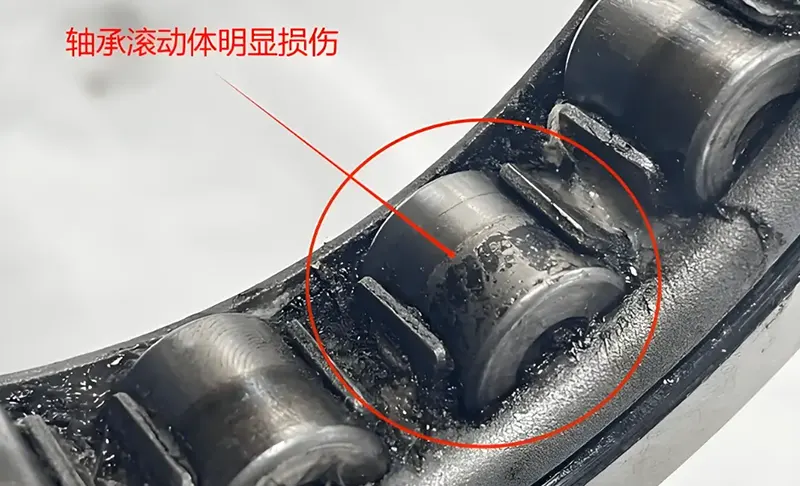
Prior to carrying out bearing replacement, a comprehensive assessment of the motor’s operating condition must be conducted. Through vibration monitoring, temperature tracking and lubricant analysis, a comprehensive judgement of the extent of bearing damage and failure modes is made. At the same time, a detailed replacement plan is drawn up based on the high-pressure press’s power rating, rotational speed parameters and installation space, clearly specifying the required tools, spare parts and division of labour.
II. Key Control Points During Dismantling
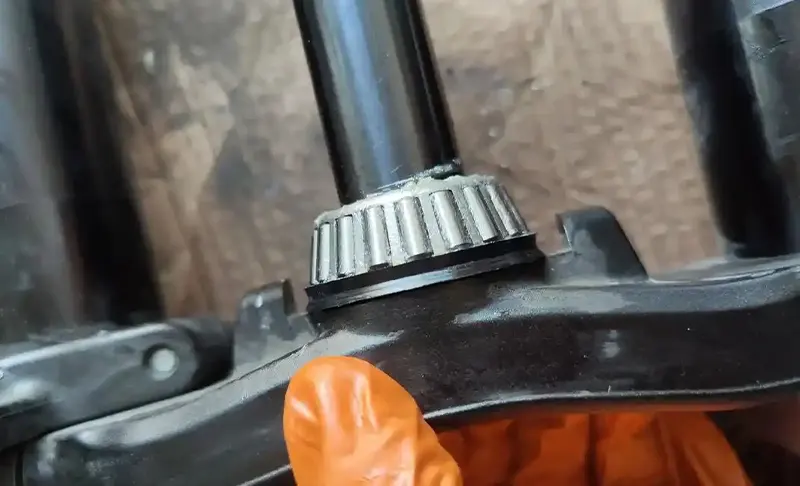
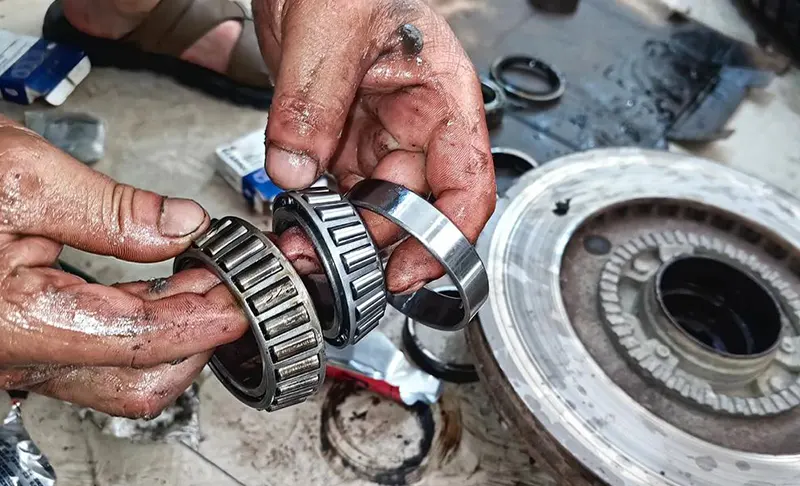
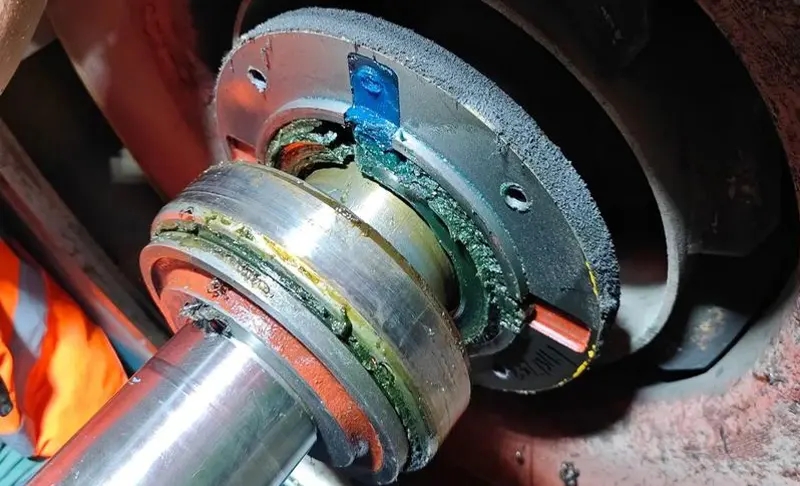
The dismantling of motor bearings in high-pressure compressors must adhere to strict technical procedures. Firstly, the power supply must be disconnected and the equipment confirmed to be completely shut down, with appropriate safety isolation measures in place. During dismantling, specialised extraction tools or induction heating methods are used to remove the old bearings, thereby avoiding damage to the journal and end caps. For bearings with an interference fit, the heating temperature must be precisely controlled to prevent dimensional changes or material degradation caused by overheating of the journal.
III. Precision Control During Installation of New Bearings
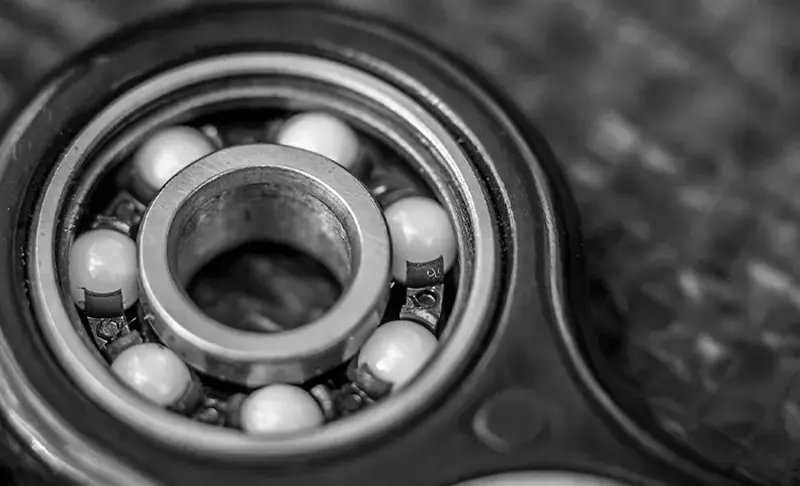
Prior to installation, new bearings must undergo a visual inspection and dimensional re-measurement to confirm that the model matches and that there are no defects such as rust or scratches. When using a hot-fitting process, the bearing is heated uniformly to the specified temperature (typically 80–100 °C) and pressed into position using specialised tooling to ensure the bearing sits flush against the shaft shoulder. Upon completion of installation, the bearing clearance, axial play and rotational smoothness must be checked; where necessary, the bearing clearance should be adjusted and preload applied.
IV. Post-Installation Inspection and Trial Run
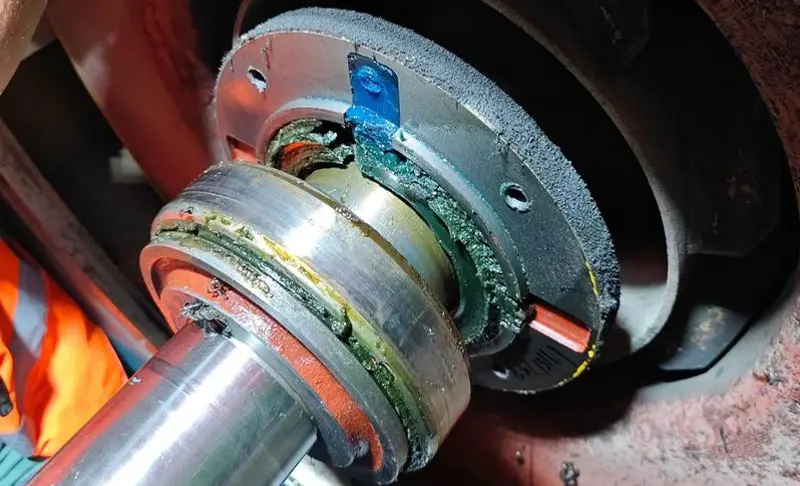
Once the bearings have been installed, the radial runout and end-face runout of the motor shaft extension end must be re-measured to ensure that the alignment accuracy meets the coupling installation requirements. Apply the specified grade and quantity of grease, then manually rotate the shaft to check for any abnormal noises or binding. During the trial run phase, apply loads in stages whilst continuously monitoring bearing temperature, vibration levels and noise levels; the equipment may only be put into normal service after it has operated stably under rated conditions for at least 24 hours.
V. Operation and Maintenance Recommendations and Schedule Management
To extend the service life of the high-pressure compressor motor bearings, it is recommended that a regular inspection regime be established, with vibration analysis and temperature recordings carried out quarterly. At the same time, based on operating duration and the performance of the grease, a reasonable schedule for topping up or replacing the grease should be drawn up to ensure that the bearings remain in a well-lubricated state at all times.