The Functions and Limitations of Bearing Seals
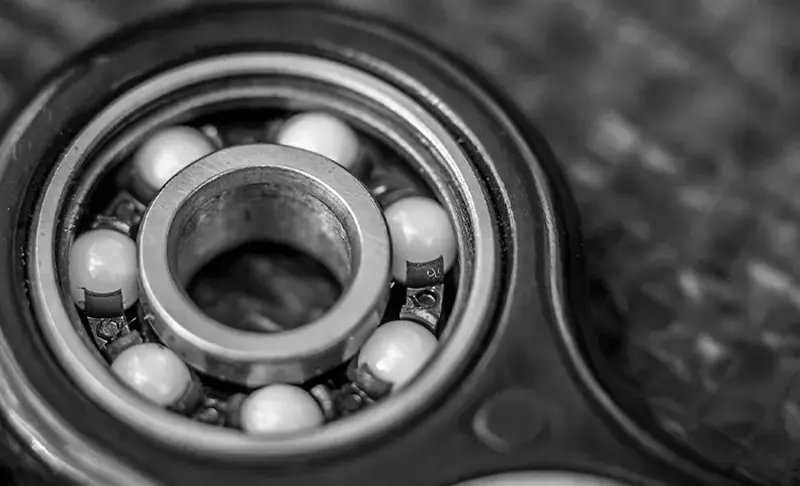
Bearing dust caps and seals serve as vital barriers for protecting the grease inside the bearing; they effectively prevent external particulates from entering whilst ensuring that the grease does not leak out.
However, different types of seals vary in their protective effectiveness:
1. Non-contact dust covers:
These dust covers do not come into contact with the inner ring and therefore do not increase start-up or operating torque; however, their sealing performance is limited, and they are not particularly effective at preventing the flushing out of lubricant.
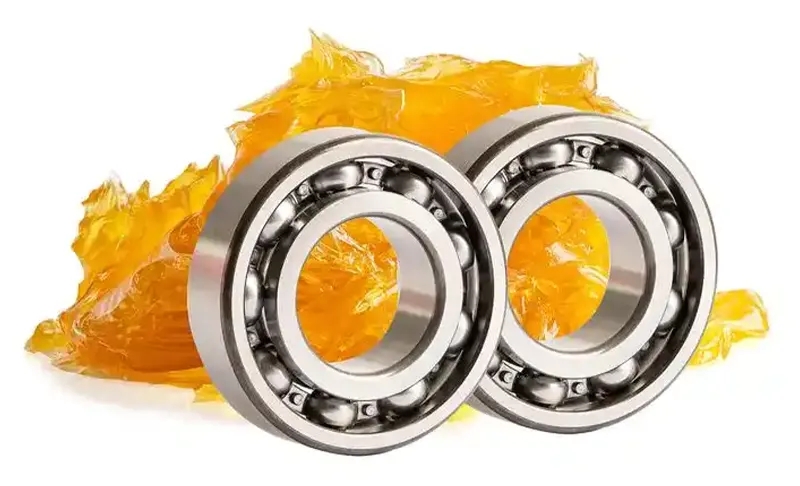
2. Contact seals:
Contact seals made from nitrile rubber make close contact with the bearing inner ring, providing stronger protection against contamination. However, it should be noted that these seals increase friction torque, which may affect the bearing’s operating efficiency; therefore, additional protective measures are required.
A middle ground: non-contact seals
Non-contact seals offer a compromise between dust covers and contact seals. They are also made from nitrile rubber but do not rub against the inner ring, and therefore do not affect torque or maximum speed. These seals offer better protection than metal shields and are suitable for most standard applications.
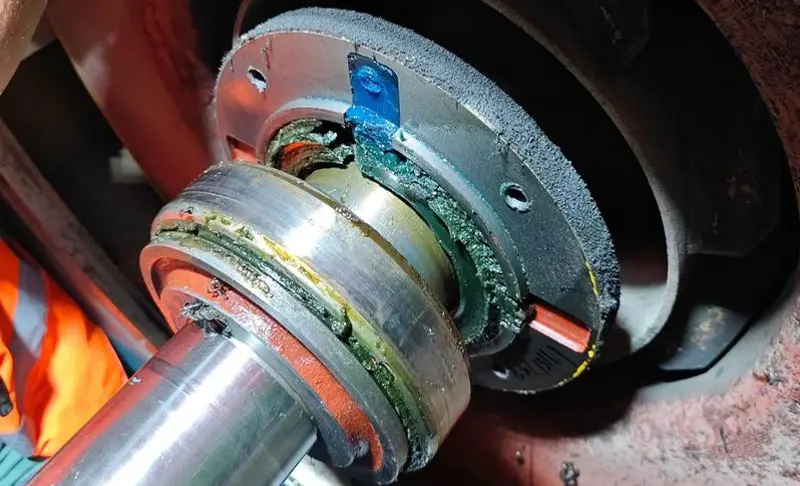
Expert Advice on Preventing Lubricant Washout
To achieve the best protection against washout, the following measures are worth considering:
1. Selecting the Right Grease
Highly water-resistant grease: effectively resists water washout whilst maintaining lubrication performance
Food-grade grease: Suitable for the food processing industry; withstands regular steam cleaning or chemical washing.
IPFPE grease: Offers extremely high chemical resistance; suitable for harsh environments
3. Optimise the sealing system
In heavy-load or highly contaminated environments, the use of double-lip contact seals is recommended. Install protective devices:
Fit a protective cover over the bearing to reduce direct impact
Design drainage channels to prevent standing water from causing continuous scouring of the bearings
4. Regular maintenance checks:
Regularly inspect seals for wear
Monitor the condition of the grease and top up or replace it in a timely manner
By comprehensively applying these methods, the bearings’ resistance to scouring can be significantly improved, their service life extended, and the stable operation of the equipment ensured. For high-speed, light-load applications, consider combining non-contact and contact seals